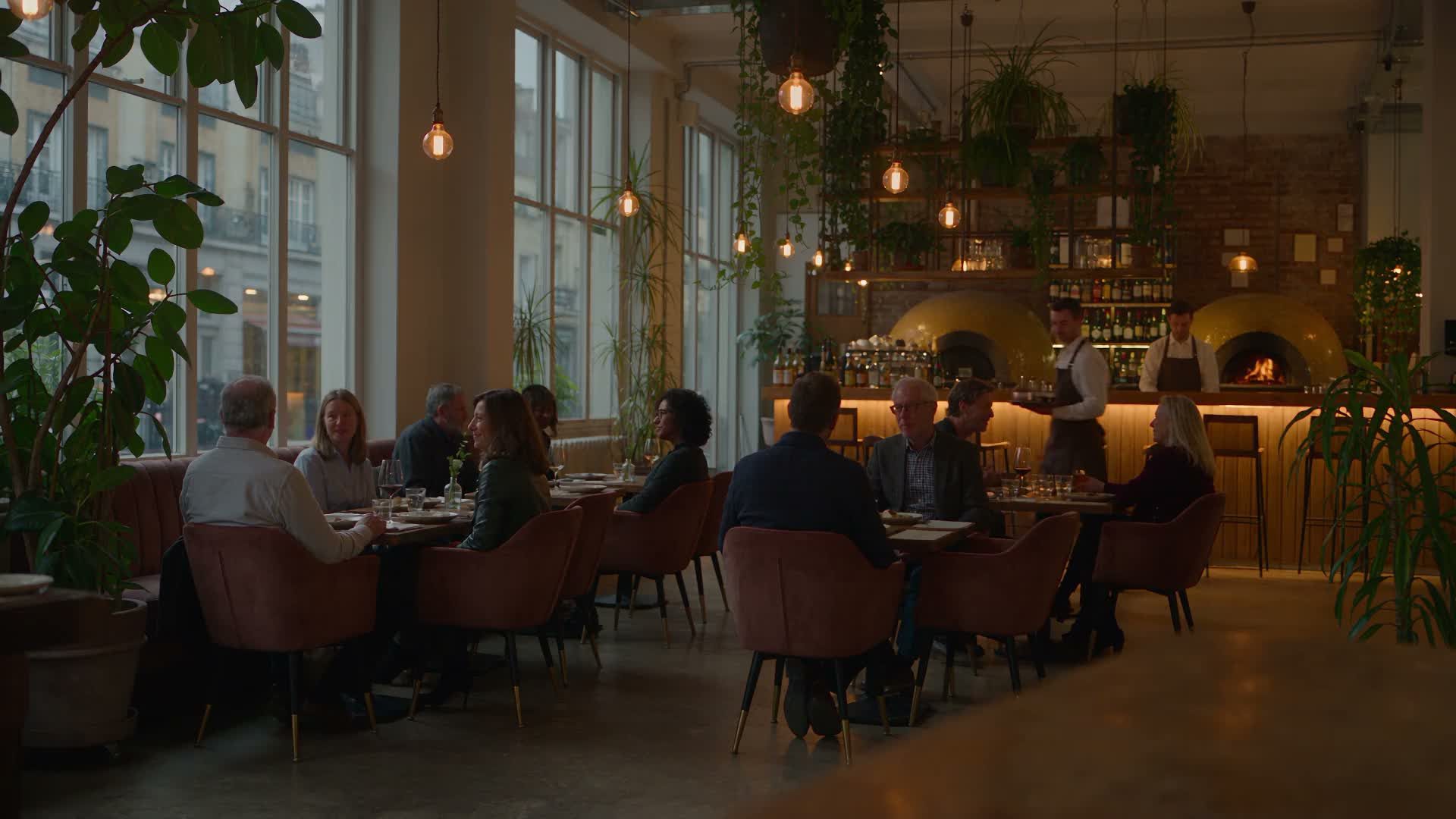
QR code ordering system in the restaurant: This is how ordering by code works
A QR code ordering system in the restaurant is the fastest way for many owner-managed restaurants and delivery services to process more orders through their own channels - instead of constantly paying commissions to delivery platforms. Guests scan a QR code, order and pay directly from you, without having to go through third-party platforms.
In practice, it is less about “digitization in service” and more about control over guests, data and margins. You decide how Order is running, which dishes are being pushed and which payment methods are available - and you avoid the 20-30 percent commission that quickly eats up all the coverage on delivery platforms.
A QR code ordering system is a clear building block in yours Ordering system for the catering industry: It links QR codes to an order page, payment logic, processing and evaluation. QR codes are just the door - what matters is what happens behind them: order page, payment, processing, analytics and reporting.
So that you don't make a bad purchase, we clearly separate two worlds: (A) Self-ordering on table and (B) QR code as access to your own online ordering website. It is precisely this distinction that makes your QR setup profitable - and prevents you from buying a solution that does not fit your goal at all.
QR code ordering system: What operators really mean by it
If operator “QR code ordering system“, they rarely mean the same thing. One wants to relieve the burden on table service, the other wants to bypass delivery platforms, the third “needs QR” because everyone does it.
What matters to you is that there is always something behind the term Ordering system for the catering industry with process logic – not just a code on paper. A QR code without an orderable one Menu, shopping cart, payment logic and evaluation is at best an info link, at worst a conversion killer.
A real one QR code ordering system It will only help you if you clarify beforehand:
- Where Should you order (at the table in the restaurant or outside)?
- On what should the QR code lead (online ordering website, landing page, menu)?
- Like Do you measure success (orders, sales, conversion per campaign)?
QR code ordering system: Cleanly separate two use cases
Many wrong decisions happen because both QR worlds are mixed. That's why we separate them consistently: QR table ordering system in the restaurant vs. QR code as a link to your own online ordering website.
Both approaches can make sense - but they solve different problems in restaurant operations and have different requirements for the ordering system, cash register system, ordering process and evaluation.
Case A: QR table ordering system (self-ordering at the table)
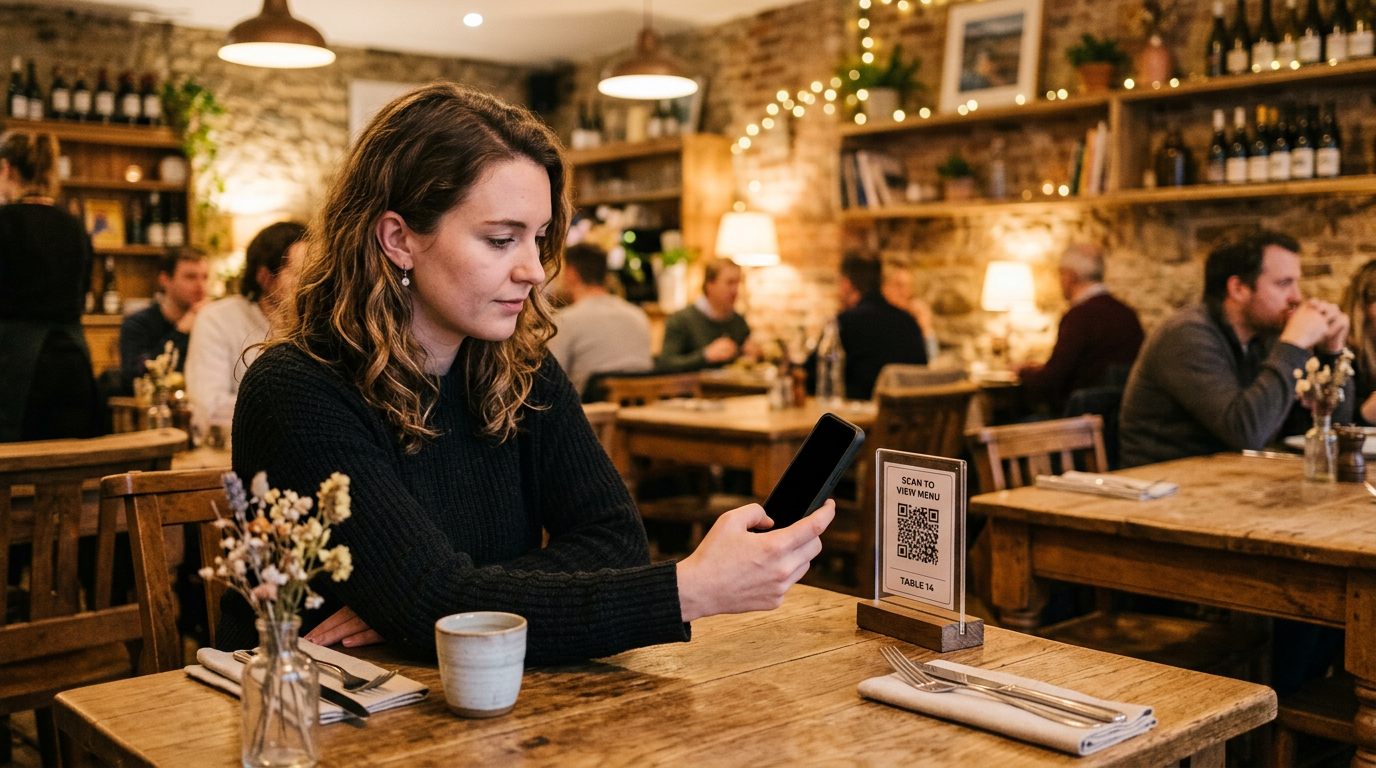
At QR table ordering system the guest is already sitting in the restaurant. He scans the QR code table, chooses food and drinks from the digital Menu and solves one Order out.
Important for you: This model is usually closely related to Cash register system (Item master, table numbers, receipts, processes). It is an operational tool: relieve service, work faster, avoid errors. If you want that, you usually need a solution that is designed for tabletop operation.
Case B: QR code as a link to your own online ordering website (without table software)
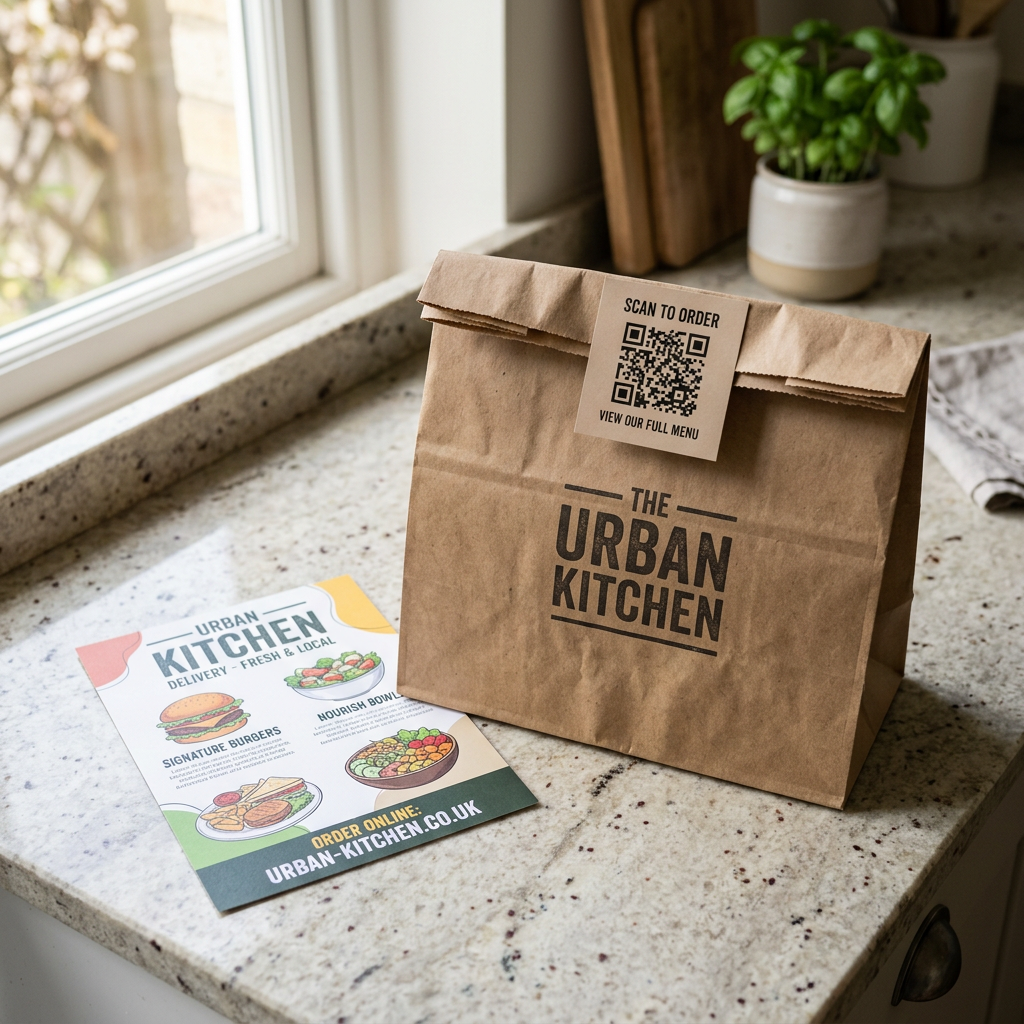
Case B is the quicker lever for many restaurants and delivery services: the QR code is there outside of your table business – on flyers, voucher cards, delivery inserts, displays in the shop window. The guest scans and lands directly in your mobile online ordering website.
The following applies here: you need it often none QR table software. You need one Online ordering system (Delivery/Pickup), which is on the Smartphone works cleanly – and QR codes that lead exactly there. If your goal is to save platform commissions and build direct channels, Case B is often the most pragmatic start.
Practice: Ordering in a restaurant using a QR code – landing page, mobile use and tracking
To make it easy for guests in the restaurant Order via QR code you need three basics: landing page, mobile UX and tracking. Without these three points, QR quickly becomes “nicely meant” but not measurable – and not profitable.
The difference between QR as a gimmick and a working one QR code ordering system is right here: After the scan, the ordering process must be short, clear and trouble-free - and you must be able to understand which placement brings which sales.
Where the QR code should point: your own online ordering website instead of detours
The most important rule: After the scan, the guest must be able to order directly. Not on the homepage, not on social media, not on a PDF.
If you use case B, the most sensible target point is your own shop. Here you will find the right introduction: Online ordering system
https://gastrosprint.de/online-bestellsystem-restaurant/
Pay particular attention to:
- fast loading time
- clear categories
- easy checkout route
- no “account requirement” in the first step
Make it traceable: UTM parameters, shortlinks, campaign QR codes
Without Analytics and reporting your QR code ordering system remains a blind flight. Use your own links for each placement (e.g. via UTM parameters) so that you can see what really brings in sales.
Practical approach to campaign tracking:
utm_source=flyerutm_source=lieferbeilageutm_campaign=oktober
Here's how you can compare campaigns: Which ones Orders come via flyers? Which about the delivery insert? Which QR codes don't work at all?
Technology, law & operations in the restaurant
Whether a QR code ordering system How it works in everyday life depends on operational security, conversion and compliance, not just on the appearance of the code. Particularly in the catering industry, it is important that the process runs stably even at peak times - and that you are legally in good standing.
The three critical points are: Data protection (GDPR), Payment integration and Offline functionality / reliability.
Data protection (GDPR)
If you process personal data (name, address, contact), you need GDPR cleanliness: data protection declaration, data economy, clear storage periods and (depending on the setup) AV contracts with service providers. Tracking should be comprehensible and legally integrated.
Payment integration
The easier the payment, the higher the conversion. Typical options: Card, wallets (Apple/Google Pay), possibly PayPal or “Pay upon pickup”.
Pay attention to transparent fee models and that payment and ordering are clearly linked (no guesswork during operation).
Offline functionality / reliability
What happens if there is a Wi-Fi failure, a cell phone gap or a disruption with the payment provider? Plan a fallback: clear instructions within the team, emergency solution (e.g. ordering over the phone), and check how robust yours is Ordering system for the catering industry runs in everyday life.
Marketing QR ordering systems in the catering industry: loyalty programs & upselling
If case B is the case, you can use QR codes as a marketing engine: You build direct channels, create recurring ordering moments and increase the average shopping cart - without a platform.
The important thing is the logic: QR is the entry point, the online ordering website is the conversion, and marketing mechanics such as loyalty and upselling make the effect permanent.
- Loyalty: Vouchers, recurring incentives, exclusive deals in the direct channel. Goal: Build regular customers – without a platform.
- Upselling: Digital ordering processes are strong for additional sales: extras, menus, drinks, desserts. Important: not overloaded, but just a few sensible recommendations at the right ordering moments.
GastroSprint in case B: personalized voucher cards + QR tool for Google reviews
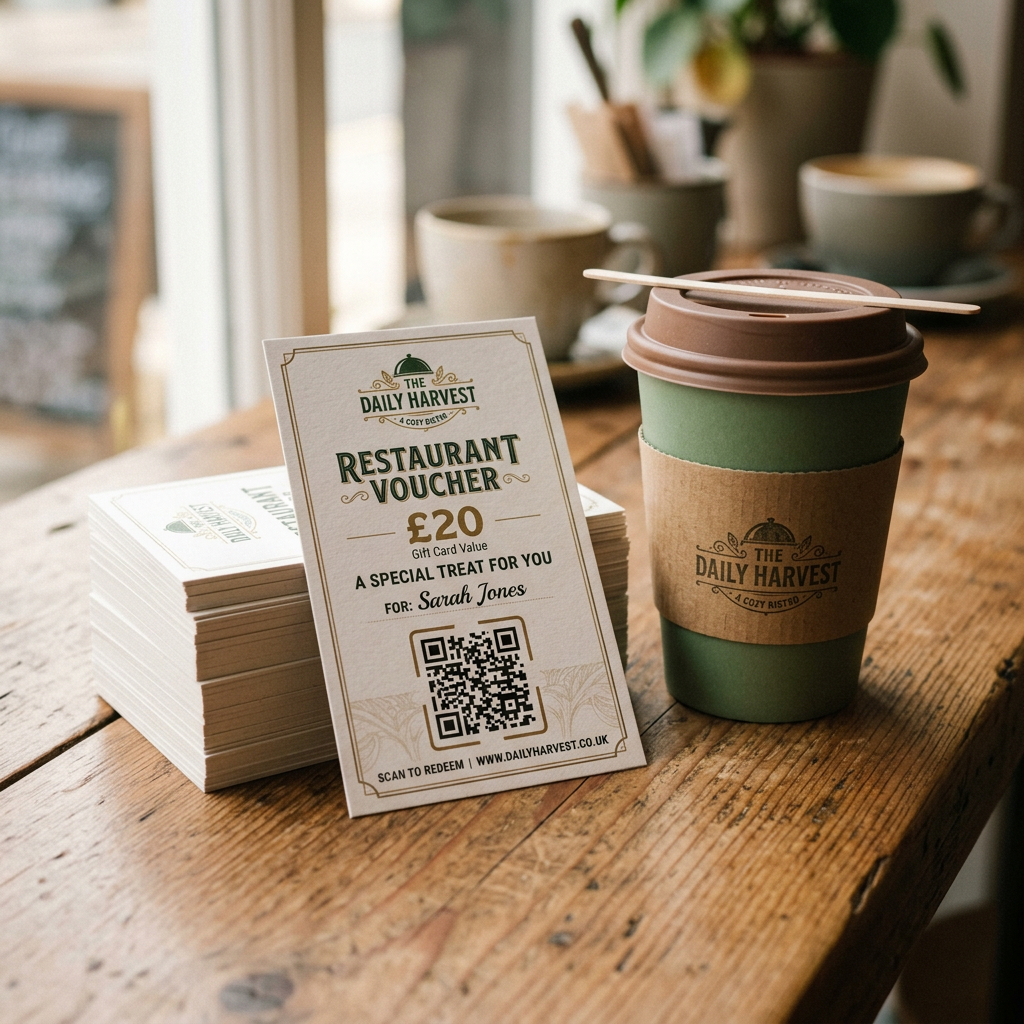
With GastroSprint The QR code leads directly to your own online ordering website for delivery and collection.
- At the start, each plan receives 1,000 personalized voucher cards, which lead directly to your own online ordering website via QR code. The degree of practical use and measurability in detail depends on your placement and campaign logic.
- GastroSprint also offers a free one QR tool for Google reviews:
https://gastrosprint.de/tools/google-reviews-qr-code-generator/
If you are currently still working with PDF: In the guide Digitize menu you will find the next step away from “just looking” towards “better structuring” (and making it orderable in the future):
https://gastrosprint.de/ratgeber/pdf-speisekarte-digitizen/
Conclusion: Which QR solution suits your ordering system for catering?
If you use “QR code ordering system“You want to reduce commission costs and build direct orders Case B often the quickest way to get started: QR code → own online ordering website, mobile optimized, measurable via tracking and evaluated via analytics and reporting.
On the other hand, if your main problem is service stress in the restaurant, you can Case A (QR table ordering system) fit - but then with a cleaner Cash register system-Integration and clear processes.
Concrete next steps:
- Decide: table (case A) or online ordering website (case B).
- Build a mobile-friendly landing page (shop).
- Create campaign QR codes with tracking.
- Start small (1-2 placements) and optimize via reporting.
View online ordering system / request a demo
https://gastrosprint.de/online-bestellsystem-restaurant/
FAQ
What is the difference between QR table ordering system and QR code to online ordering website?
With the QR table ordering system, the guest orders at the table in the restaurant (strong reference to table logic and cash register system). The guest orders with the QR code to the online ordering website outside (Delivery/Pickup) and the QR leads directly to your shop.
Is a QR code enough for the online ordering website – or do I need desktop software?
For case B, a QR code pointing to one is often sufficient mobile optimized online ordering website leads. You typically only need table software if you really do self-ordering at the table want to depict.
How can I make QR codes for flyers, voucher cards and delivery inserts measurable?
Use your own links for each action, e.g. B. with UTM parameters, and evaluate them Analytics and reporting out. This way you can see which source brings orders and sales.
Which print size, placement, and explanatory text increase usage the most?
QR codes need context: short text like “Order directly now – without a portal” plus a clear benefit message. Place them where the guest has time to scan (delivery insert, flyer, shop window). Don't print too small and test with multiple smartphones.
What do I have to consider regarding GDPR, payment integration and resilience?
GDPR: work data-efficiently, provide transparent information, if necessary AV contracts with service providers.
Payment integration: Offer multiple options, understand fees, clean allocation of payment and order.
Reliability: Define fallback process (WLAN/payment failure) and clarify responsibilities within the team.
Sources and product basis
- GastroSprint online ordering website and welcome packageOfficial product presentation for your own online ordering website and the 1,000 voucher cards to start with.Retrieved on
- Google Analytics: Campaign URLsDocumentation for labeling campaign links with UTM parameters.Retrieved on